freeport’s STORY: THE RESIDENTS
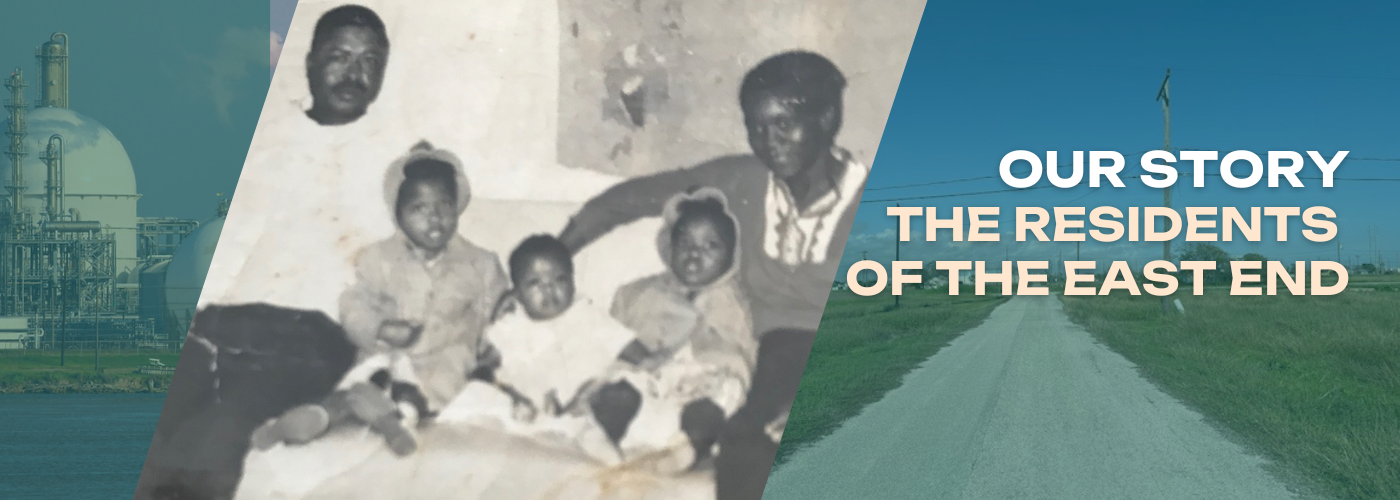
Freeport’s story begins not with factories or ships, but with people.
Generations of residents have built this community with their hands, their voices, and their resilience. Before Freeport became an industrial hub, it was home to Indigenous peoples whose lives were tied to the land and waterways. Later, enslaved African Americans and their descendants shaped the foundations of agriculture and culture in this region, enduring hardship while leaving behind legacies of strength.
As industry moved in and the city began to grow, families from across Texas and beyond settled here. Many came seeking work at the plants or the port, while others stayed to preserve the neighborhoods their parents and grandparents built. The East End of Freeport became a place of deep community ties, a space where neighbors looked out for one another, where children played in the streets, and where local traditions carried forward through church gatherings, festivals, and family tables.
But with growth came hard tradeoffs. The same industries that provided steady jobs also filled the air and water with pollution, putting those who lived closest at the greatest risk. For many families, making a living meant working in the very places that threatened their health.
The path to providing for their loved ones came with unseen costs. Families began to face illnesses linked to air and water pollution, weakened ecosystems, and generations exposed to risks that still linger today. Now, the same community that once powered industry is fighting to protect its health, its children, and its future.
The residents of Freeport remain at the heart of the city’s story. They are teachers, fishermen, mothers, laborers, students, and elders. The East End continues to be a place where history is alive and where the people’s voices shape the fight for justice and a better future.
Our story begins with the residents because without them, there is no Freeport.